
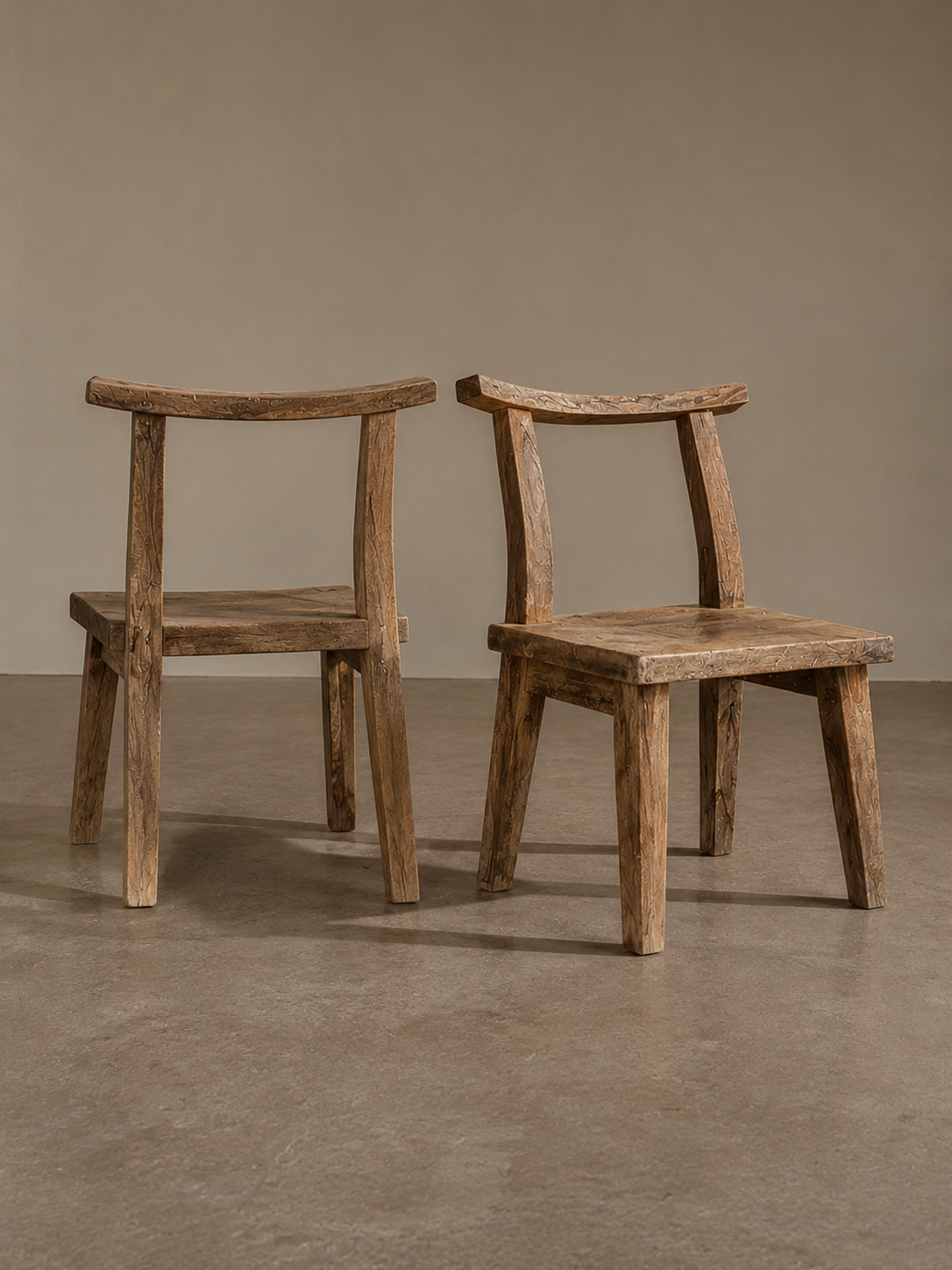
A beautiful piece of furniture can catch your attention, but what makes you fall in love with it is often found in the details.
The materials, the craftsmanship, the proportions and the thought behind its design all contribute to something far more meaningful than appearance alone.
When choosing furniture for your home, it's worth looking beyond the surface. Understanding how a piece is made, what it is made from and how it will live within your space can make all the difference between a purchase you enjoy for a season and one you appreciate for years.
At Amier Home, we believe good furniture is an investment in the way we live. It's about choosing pieces with character, appreciating the materials behind them and finding beauty in thoughtful design.
So, what really makes a piece of furniture worth investing in?
1. It Starts With the Materials
The materials used in furniture are fundamental to its character, appearance and performance.
Natural timber, stone, metal and upholstery each bring their own qualities, textures and individuality. Understanding these materials helps you appreciate not only how a piece looks, but also how it will perform over time.
Natural timber
Solid timber is valued for its strength, natural grain and distinctive character. Every piece carries its own variations in colour, texture and markings, making each finished item individual.
Timber veneers offer another approach, using thin layers of real wood applied to a supporting material. When thoughtfully constructed, veneer allows designers to create beautiful timber surfaces, intricate patterns and sculptural forms.
Neither approach is automatically superior. The quality of the timber, supporting materials and overall construction all matter.
Natural stone
Materials such as marble, travertine and onyx bring an entirely different quality to furniture.
Formed over thousands or even millions of years, natural stone features distinctive veining, tonal variations and organic markings that cannot be perfectly replicated.
These variations are part of the appeal. No two stone surfaces are exactly alike, giving each piece its own natural identity.
Upholstery
The fabric selected for upholstered furniture influences its comfort, texture and everyday performance.
Materials such as polyester are valued for their durability, colour retention and versatility, while different weaves and finishes create a variety of tactile experiences.
The important consideration is choosing an upholstery fabric that complements the design while being suited to how the furniture will be used.
2. Good Craftsmanship Is in the Details
Beautiful furniture is rarely defined by one feature. It's the result of many carefully considered details coming together.
The precision of a join, the smoothness of an edge, the quality of the stitching and the way different materials meet all contribute to the finished piece.
When assessing craftsmanship, look beyond the overall appearance.
Consider the following:
-
Joinery: Are the connections between components secure and well executed?
-
Finishing: Are edges smooth, surfaces consistent and details carefully resolved?
-
Alignment: Do drawers, doors, legs and other components sit correctly?
-
Upholstery: Is the fabric neatly fitted, with consistent stitching and well-finished seams?
-
Structural support: Does the furniture feel stable and appropriately constructed for its intended use?
These details might seem small, but collectively they influence how furniture looks, feels and performs.
Good craftsmanship doesn't always need to announce itself. Often, it's the things you barely notice that make the greatest difference.
3. Design That Stands Beyond Trends
Interior trends come and go, but thoughtful design has a way of remaining relevant.
A beautifully proportioned dining table, a sculptural timber chair or a carefully designed side table can continue to feel at home as interiors evolve around it.
Timeless design isn't about avoiding contemporary influences. It's about choosing pieces with a sense of balance, purpose and individuality.
Consider the silhouette of a piece, the relationship between its materials and the proportions that give it presence within a room.
A well-designed piece should feel considered rather than overworked. It should bring something to a space without competing with everything around it.
This is often what separates furniture that follows a trend from furniture that becomes part of your home.
4. Function Should Never Be an Afterthought
While aesthetics may draw us towards a particular piece, functionality is what determines whether it genuinely works within our lives.
A dining chair should offer comfortable support. A sofa should invite you to sit back and relax. A dining table should provide enough room for everyday meals as well as entertaining.
Before purchasing, think about how you intend to use the furniture.
Consider seat depth, table height, storage requirements, surface maintenance and the available space within your home.
Beautiful furniture should enhance the way you live, not make everyday life more complicated.
The most successful designs find a natural balance between form and function, allowing both to exist without compromise.
5. Natural Imperfections Are Part of the Beauty
One of the things we love about natural materials is that they are never completely uniform.
Timber grain, mineral veining, subtle colour changes and organic markings are characteristics that give natural materials their individuality.
With stone, these variations are created through natural geological processes. With timber, they reflect the growth and structure of the tree itself.
Rather than expecting every piece to look identical, it's worth appreciating the unique qualities that make each one different.
Natural materials can also change with time. Timber may deepen in colour, stone can develop a gentle patina and certain finishes will evolve through everyday use.
These changes are part of living with natural materials and can add another layer of character to a piece.
6. Quality Is About More Than Weight or Price
It's easy to associate heavier furniture or a higher price tag with better quality, but neither tells the complete story.
A solid timber table may be substantial, while a carefully constructed veneer piece may be lighter and offer excellent performance for its intended purpose.
Likewise, a higher-priced item isn't automatically better made.
True quality comes down to the relationship between materials, construction, design and finishing.
When comparing furniture, look at the complete picture rather than relying on one feature to determine its value.
Ask about the materials used, how the piece is constructed, what maintenance it requires and whether its design is suited to your everyday needs.
Understanding these details allows you to make a more confident and considered decision.
7. Think About the Life of the Piece
Furniture becomes part of the rhythm of a home.
It's where we gather, entertain, work, unwind and spend time with the people who matter to us.
When choosing a new piece, consider how it might fit into your home not just today, but several years from now.
Will it work if you rearrange your living space? Will its materials suit your lifestyle? Can it be maintained or repaired if necessary?
Furniture that is thoughtfully designed and properly cared for can remain part of a home for many years.
It's not about expecting every piece to last forever. It's about choosing with intention and appreciating the value of something made well.
8. A Few Things to Ask Before Investing in Furniture
Before making